The $300 Million Wake-Up Call: Why Crypto Phishing Exploded in January 2026
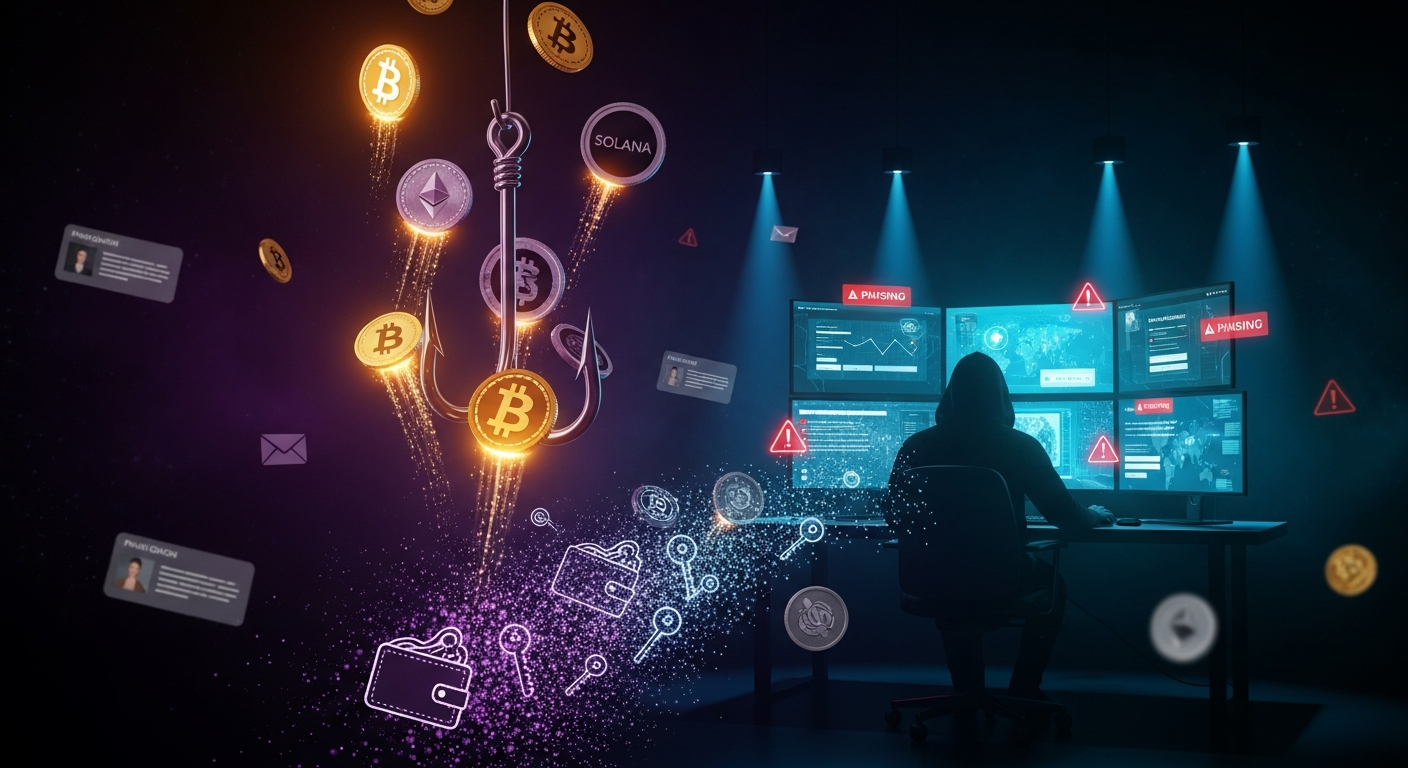
In January 2026, hackers stole $86 million from DeFi protocols. But that wasn’t the real story. Phishing attacks—targeting individual wallets—stole more than $300 million. The code is getting harder to break. So attackers are breaking people instead.
The Numbers Don’t Lie
When crypto security firms tallied January 2026’s losses, one pattern was impossible to ignore:
| Attack Type | January 2026 Losses |
|---|---|
| Protocol Exploits | $86 million |
| Phishing/Social Engineering | $300+ million |
| Total | $386+ million |
Phishing attacks stole more than 3x what smart contract exploits did. And the gap is widening.
“Code audits have gotten better. Bug bounties have matured. Multi-sig requirements have improved,” explained one security researcher. “But none of that matters if a user signs a malicious transaction.”
Even more alarming: a significant portion of January’s losses came from a single victim. One wallet. One signature. Hundreds of millions gone.
The Shift: From Protocol to People
For years, the crypto security narrative focused on smart contract vulnerabilities. Flash loan attacks. Reentrancy bugs. Bridge exploits. The code was the weak link.
That’s changing. Here’s why:
Protocols Got Harder to Hack
- Audits became standard: Major protocols now undergo multiple independent audits
- Bug bounties work: Immunefi alone has paid out $100M+ to white hats
- Battle-tested code: Proven contracts get forked, reducing novel vulnerabilities
- Insurance pressure: Coverage requirements force better security practices
Users Stayed Vulnerable
- Same mistakes: Despite years of warnings, users still approve malicious contracts
- Complexity: Even experienced users struggle to verify what they’re signing
- Trust patterns: Social engineering exploits our tendency to trust familiar interfaces
- Speed: FOMO drives hasty decisions without verification
“We’ve hardened the perimeter,” one analyst noted. “But we’ve left the biggest attack surface—human psychology—completely unprotected.”
How Modern Crypto Phishing Works
Today’s crypto phishing has evolved far beyond “send ETH to this address” emails. Attackers use sophisticated techniques that exploit how Web3 actually works.
1. Approval Phishing
The most devastating technique. Here’s how it works:
- Victim visits a fake DApp (often linked from Discord, Twitter, or Google ads)
- Site prompts a “connect wallet” or “claim airdrop” action
- The actual transaction being signed grants unlimited token approval to the attacker’s contract
- Victim thinks they’re claiming an airdrop; they’re actually authorizing theft
- Attacker drains approved tokens at leisure—sometimes weeks later
Why it works: Token approvals are how legitimate DeFi works. Users sign them constantly. Most can’t distinguish a legitimate approval from a malicious one.
2. Address Poisoning
A deviously clever attack:
- Attacker monitors a victim’s regular transaction patterns
- Attacker creates a wallet address that looks similar (matching first and last few characters)
- Attacker sends tiny transactions from this fake address to the victim
- Victim later copies “their” address from transaction history
- They copy the attacker’s lookalike address instead
- Next transaction goes to the attacker
Example:
- Real address:
0x1234...abcd - Poison address:
0x1234...abcd(looks identical but different middle characters)
3. Fake Interfaces
Pixel-perfect replicas of popular DApps:
- Fake Uniswap, fake OpenSea, fake wallet interfaces
- Domains that look legitimate (
uniswap-app.cominstead ofapp.uniswap.org) - Google ads that appear above legitimate results
- Compromised DNS redirecting to fake sites
4. Social Engineering Campaigns
Exploiting community trust:
- “Support” DMs on Discord offering help
- Fake moderators in Telegram groups
- Impersonated influencer accounts promoting “opportunities”
- Phishing links in compromised official channels
- Fake airdrop announcements in lookalike groups
5. Malicious Browser Extensions
The silent threat:
- Fake MetaMask or wallet extensions
- Extensions that inject malicious code into legitimate sites
- “Optimization” or “airdrop tracking” extensions that steal seed phrases
- Legitimate extensions with malicious updates
Anatomy of a $300 Million Month
Let’s break down what happened in January 2026:
Week 1: Address Poisoning Surge
Multiple victims lost six figures each to address poisoning attacks. The technique had been around, but attackers scaled it dramatically—generating thousands of lookalike addresses per target.
Week 2: The “Airdrop” Massacre
A coordinated campaign promoted fake airdrops across social media. Victims thought they were claiming free tokens; they were actually signing approval transactions. Losses: $40M+.
Week 3: The Single Largest Victim
One wallet—belonging to either a whale individual or fund—lost the majority of the month’s phishing total. Reports suggest a sophisticated social engineering campaign that took weeks to execute. The victim signed a transaction that appeared legitimate but authorized complete drainage.
Week 4: Discord Takeovers
Multiple project Discord servers were compromised. Attackers posted phishing links in official announcement channels. Community members, trusting the “official” source, connected wallets and lost funds.
Why Hardware Wallets Don’t Save You
A common misconception: “I use a hardware wallet, so I’m safe from phishing.”
Wrong.
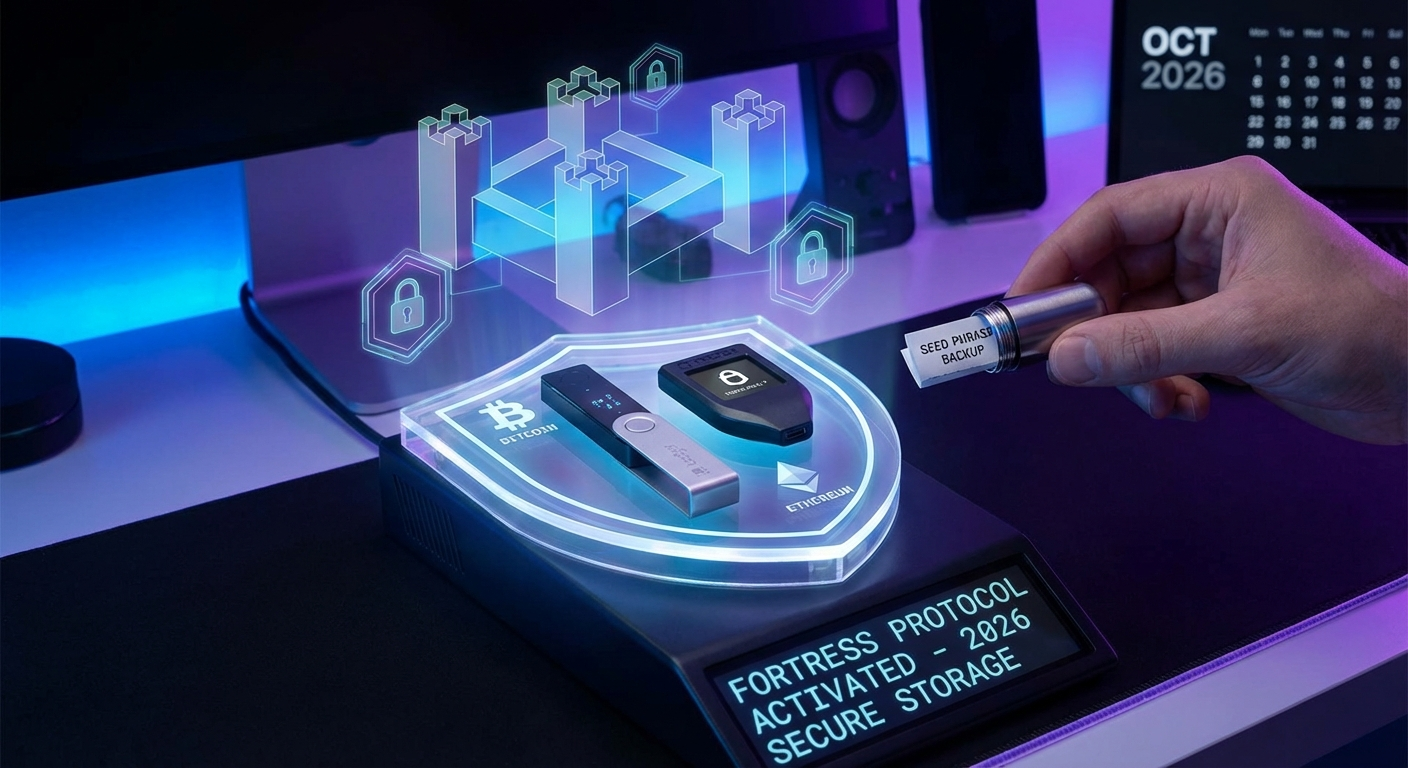
Hardware wallets protect against:
- Malware stealing private keys
- Remote access to your wallet
- Seed phrase extraction
Hardware wallets don’t protect against:
- Signing malicious transactions (you still have to approve on the device)
- Granting token approvals to attackers
- Being tricked into sending funds to wrong addresses
The hardware wallet does exactly what you tell it to. If you tell it to approve a malicious contract, it will.
Protecting Yourself: A Practical Guide
Before You Sign Anything
1. Verify the Site
- Type URLs manually—never click links from DMs or social media
- Check the domain character by character (especially for l/1, 0/O confusion)
- Bookmark legitimate DApps and only access via bookmarks
- Use browser extensions like Pocket Universe that preview transaction effects
2. Understand What You’re Signing
- Read transaction details in your wallet
- Be suspicious of “unlimited” approvals
- Question why a “claim” would need token access
- If you don’t understand it, don’t sign it
3. Check Before You Paste
- Never copy addresses from transaction history
- Verify full addresses, not just first/last characters
- Use address book features for frequent recipients
- When sending large amounts, send a test transaction first
Approval Hygiene
Use revoke.cash or similar tools regularly:
- Connect your wallet
- Review all token approvals you’ve granted
- Revoke any you don’t recognize or no longer need
- Check before and after using new DApps
Set limited approvals:
- Instead of “unlimited” access, approve only what’s needed
- Some wallets allow setting specific approval amounts
Operational Security
Separate wallets by purpose:
- Hot wallet: Small amounts for daily transactions
- Warm wallet: Moderate amounts for active DeFi
- Cold wallet: Long-term holdings, rarely connected
Never rush:
- Legitimate opportunities don’t require instant action
- Scams create artificial urgency
- Take time to verify before signing anything significant
Social Engineering Defense
Discord/Telegram safety:
- Disable DMs from server members
- Never click links in DMs, even from “admins”
- Verify announcements across multiple channels
- Assume all “support” DMs are scams
Verify, verify, verify:
- Cross-reference opportunities across official sources
- Check Twitter, Discord, and official websites independently
- If something seems too good to be true, it is
The Industry Response
The scale of January’s losses has prompted action:
Wallet Improvements
- Better transaction previews showing what will actually happen
- Warning systems for known scam contracts
- Human-readable transaction descriptions
- Simulation of transaction effects before signing
Community Tools
- Scam databases (ScamSniffer, etc.)
- Browser extensions that warn about dangerous sites
- Social verification systems
- Real-time phishing detection
Protocol-Level Changes
- Limited approval defaults
- Time-locked approvals
- Multi-step verification for large transactions
- Better contract labeling in block explorers
The Uncomfortable Truth
No technology will solve crypto phishing. The vulnerability isn’t in the code—it’s in us.
We:
- Trust familiar interfaces
- Move fast and don’t verify
- Assume we’re too smart to be scammed
- Click links from people we think we know
- Approve things we don’t understand
The attackers know this. They’re not hackers in the traditional sense—they’re con artists using blockchain as their medium.
The only real defense is behavioral:
- Slow down
- Verify everything
- Assume malicious intent
- Never trust, always verify
What’s Coming
Expect phishing to intensify before it improves:
Near-term threats:
- AI-generated social engineering at scale
- Deepfake videos promoting scam opportunities
- More sophisticated fake interfaces
- Automated targeting based on on-chain analysis
Longer-term solutions:
- Account abstraction enabling better security UX
- Mandatory transaction simulation
- Social recovery and guardian systems
- Industry-wide phishing intelligence sharing
The Bottom Line
January 2026 should be a wake-up call. While we celebrated improving smart contract security, attackers pivoted to the softer target: us.
$300 million stolen through phishing in a single month. Not through brilliant hacks or novel exploits—through tricking people into signing transactions they shouldn’t have.
The fix isn’t technical. It’s behavioral. Every time you connect a wallet, approve a transaction, or click a link, you’re making a security decision.
Make it consciously.
Quick Security Checklist
- Bookmarked legitimate DApp URLs (don’t click links)
- Using revoke.cash to audit approvals regularly
- Transaction preview extension installed
- DMs disabled from strangers on Discord/Telegram
- Wallets separated by purpose and risk
- Full address verification before sending (not just first/last)
- Test transactions before large transfers
- Taking time to verify before signing
Stay safe out there. The code might be getting stronger, but the attackers are getting smarter about targeting us instead.